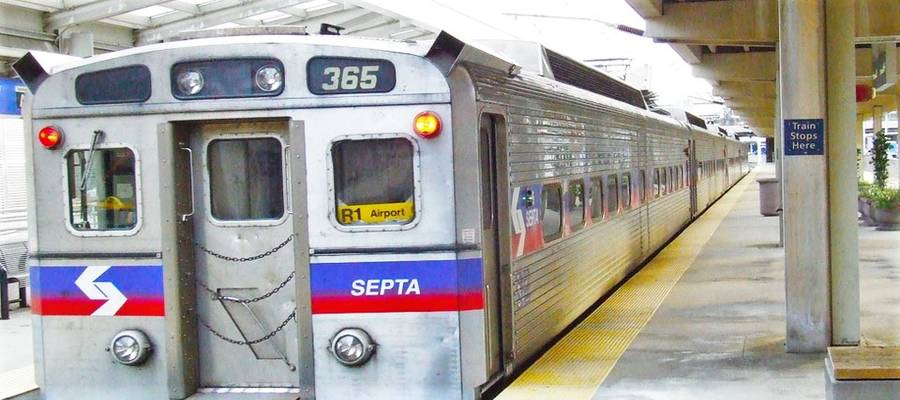
PENNSYLVANIA - Philadelphia's transit landscape is bracing for a tectonic shift. The Southeastern Pennsylvania Transportation Authority (SEPTA) is rapidly approaching a "fiscal cliff" as the last of its federal pandemic relief funds vanish. With no long-term funding solution finalized in Harrisburg, the agency is set to proceed with Phase 2 of its emergency reduction plan.
Starting January 1, 2026, the daily commute for thousands of residents will be fundamentally altered. Here are the three critical service cuts that will define the new reality of Philadelphia transit.
1. The 9:00 PM System-Wide Rail Curfew
The most jarring change for the city’s nightlife and service economy is the implementation of a strict 9:00 PM curfew on all remaining rail services. This is not just a frequency reduction; it is a total shutdown of the following services after 9:00 PM:
-
Market-Frankford Line (L) & Broad Street Line (B): All subway service will cease at 9:00 PM.
-
Trolley Lines: The city’s trolley network will go dark after 9:00 PM.
-
Regional Rail: Any lines not slated for elimination will end their service day by 9:00 PM.
This move effectively ends late-night transit for hospitality workers, healthcare professionals on second shifts, and sports fans returning from the South Philadelphia Sports Complex.
2. Elimination of 5 Vital Regional Rail Lines
Suburban Station, typically the bustling "central nervous system" of the region's commuter network, will see significantly less traffic as five entire lines are removed from the map. The lines scheduled for permanent elimination are:
-
Chestnut Hill West
-
Cynwyd
-
Paoli/Thorndale
-
Trenton
-
Wilmington/Newark
These lines rely on tracks owned by Amtrak, and high leasing costs have made them primary targets for cost-saving measures. Commuters on these routes will be forced to find alternative bus connections or join the growing congestion on I-95 and the Schuylkill Expressway.
3. A 45% System-Wide Service Slash
Beyond the curfews and eliminations, the remaining "skeleton" system will see a massive reduction in frequency. Overall, SEPTA is reducing its total service output by 45% to fill its $213 million deficit.
-
Increased Wait Times: Most bus and rail lines will see "headways" (the time between vehicles) double.
-
Route Deletion: In addition to the rail cuts, 18 additional bus routes are scheduled for elimination on January 1.
-
Crowding: With fewer vehicles on the road, the remaining trips are expected to reach "crush load" capacity during peak hours.
The Economic Fallout
The Delaware Valley Regional Planning Commission (DVRPC) projects that these cuts will result in over 275,000 additional cars on the road daily. Commute times on major arteries like I-476 and US 202 are expected to increase by as much as 40%, while the city’s economy could see a loss of over 70,000 jobs as residents lose the ability to reach their workplaces reliably.
Pro Commuter’s Tips for January 1:
-
Check the "Emergency Schedule": SEPTA will release a finalized Phase 2 schedule in late December. Do not rely on old apps or printed materials.
-
The 8:30 Rule: If you are using the subway or rail, aim to be on your final leg by 8:30 PM to ensure you aren't stranded when the 9:00 PM curfew takes effect.
-
Explore "Bridge" Buses: SEPTA has indicated that certain bus routes (like the 4 and 16) may be augmented to provide limited service after 9:00 PM in place of the subways.