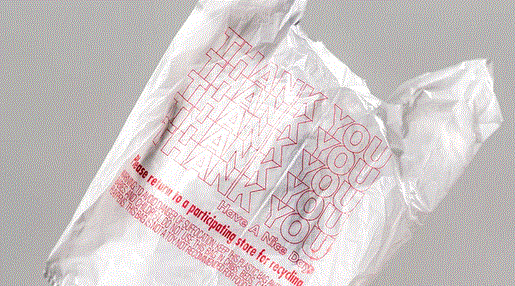
MARYLAND - Forget the "nickel-and-diming"—starting January 1, 2026, Maryland's bag laws are getting a significant upgrade. If you live in Montgomery County or do your shopping in the surrounding suburban hubs, your checkout routine is about to look very different.
The "Bring Your Own Bag" (BYOB) Law officially takes effect on New Year's Day, effectively banning single-use plastic carryout bags at most retail checkouts and doubling the fee for paper bags. Here is everything you need to know before you head to the grocery store in 2026.
The Big Change: No More Plastic, Higher Fees
For over a decade, Montgomery County has charged 5 cents for plastic and paper bags. But as of January 1, the "nickel bag" era is over.
- The Plastic Ban: Retailers (including grocery stores, department stores, and service stations) are prohibited from providing plastic carryout bags at the point of sale.
- The 10-Cent Paper Fee: If you forget your reusable tote, you can still purchase a paper bag, but the cost has increased from 5 cents to 10 cents per bag.
- Where the Money Goes: Retailers will keep 5 cents to offset the higher cost of paper bags, while the remaining 5 cents will go into the County's Water Quality Protection Charge fund to fight litter and pollution.
The "Daily Routine" Disruptor
This isn't just a Montgomery County story. With Prince George's, Anne Arundel, and Baltimore counties already enforcing similar bans, the vast majority of Marylanders are now living in "plastic-free" zones. The 2026 update in Montgomery County aims to close enforcement loopholes and further encourage the shift toward permanent, reusable totes.
What's Exempt? (The "Safe" List)
You won't be charged for every bag in the store. To keep food safe and logistics moving, several types of bags are exempt from the ban and the 10-cent fee:
- Produce & Bulk Items: Plastic bags used for loose fruit, vegetables, nuts, grains, or small hardware items (like nails or screws) are still allowed and free.
- Perishables: Bags used to wrap meat, fish, poultry, or unwrapped bakery goods to prevent cross-contamination remain exempt.
- Prescriptions: Paper bags provided by a pharmacist for prescription medications are exempt from the 10-cent charge.
- Dry Cleaning: Plastic sleeves used for hanging garments or dry-cleaned clothes are still permitted.
- Restaurant Takeout: Paper bags used for delivery, drive-throughs, or take-home leftovers are not subject to the 10-cent fee.
- Food Assistance: Customers using SNAP or WIC benefits are exempt from the 10-cent paper bag fee at grocery stores.
Pro-Tips for 2026 Shopping
- The "Car Stash": The most common reason for paying the fee isn't a lack of bags—it's forgetting them in the trunk. Keep a few foldable "emergency" bags in your glove box or purse.
- Self-Checkout Warning: The 10-cent fee applies to self-service kiosks just as it does to manned registers. The system will prompt you to enter the number of paper bags used before you pay.
- Wash Your Totes: Unlike plastic or paper, reusable bags can harbor bacteria from raw meat or leaky produce. Make it a habit to toss your canvas bags in the laundry once a month.