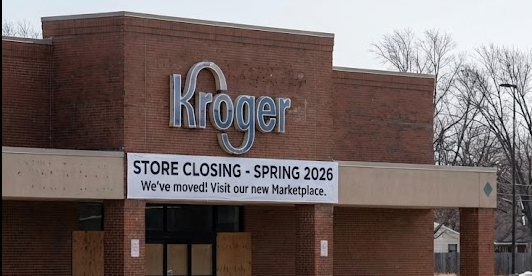
OHIO STATE - The grocery landscape in Ohio is undergoing a significant shift this spring. While some discount retailers are doubling down on the Buckeye State, several major supermarket anchors have confirmed plans to shutter underperforming locations.
 These moves come as part of broader "efficiency" strategies aimed at streamlining operations following a turbulent year of retail mergers and shifting consumer habits. If you rely on a local neighborhood hub for your weekly shopping, here is what you need to know about the upcoming closures.
Kroger Shuffles Its Footprint
As the nation’s largest traditional grocer, Cincinnati-based Kroger remains the most significant player in the region. However, following its first-quarter earnings report, the company confirmed it is in the process of closing approximately 60 stores nationwide through late 2026.
- The Reason: Leadership noted that these specific locations were no longer "delivering sustainable results." The closures are intended to free up capital to reinvest in digital growth and store remodels for high-traffic locations.
- Ohio Impact: While Kroger has not released a finalized public "hit list," internal evaluations have targeted several older storefronts in the Columbus and Cleveland suburbs where newer competition has thinned margins.
- Employee Support: Kroger has stated that all associates at closing locations will be offered the opportunity to transfer to nearby stores.
Discount Staples and Specialty Closures
It isn't just the full-service giants feeling the squeeze. The "dollar store" sector, which many Ohioans use for supplemental grocery trips, is also seeing a contraction.
- Family Dollar: After a heavy round of closings in January 2026, Ohio lost 8 locations in a single month. More underperforming stores are expected to be phased out this spring as parent company Dollar Tree focuses on more profitable multi-price-point formats.
- Save A Lot: The discount chain has confirmed roughly 40 closures across its network to optimize its supply chain, with a handful of Ohio rural and urban-core locations on the list.
Regional Shifts: Giant Eagle and Meijer
While Meijer is actually expanding in Northeast Ohio—having opened three new supercenters in Austintown, Medina, and Richmond Heights recently—other regional players are tightening their belts.
Giant Eagle has continued to evaluate its footprint in Central Ohio, occasionally shuttering older sites that face intense pressure from the likes of Walmart and the rapidly growing Aldi.
Why is this happening now?
Industry analysts point to three primary drivers for the Spring 2026 "shakeup":
- Omnichannel Costs: Maintaining a massive physical footprint is expensive. Chains are pivoting funds toward automated fulfillment centers to handle the surge in grocery e-commerce.
- Post-Merger Realities: Following recent industry shifts, companies are refocusing on "lean" operations to remain competitive against non-traditional grocers like Amazon and Costco.
- The "Aldi Effect": Aldi has announced plans to open 180 new stores in 2026 alone. Their low-overhead model is forcing traditional supermarkets to either modernize or exit neighborhoods where they can no longer compete on price.