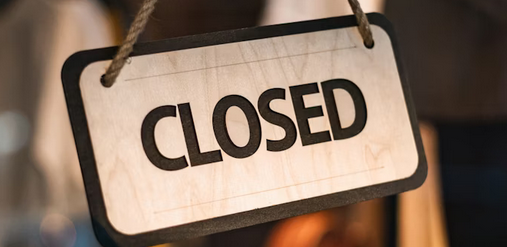
MAINE STATE - Maine’s retail landscape is feeling the weight of the national "efficiency reset" this spring. From the final liquidation of outdoor apparel icons to the closure of neighborhood discount staples, the Pine Tree State is seeing several significant departures as brands pivot toward e-commerce.
Here is the breakdown of the major retail and supermarket shifts occurring across Maine in Spring 2026.
1. The Exit of Eddie Bauer
In a major blow to Maine's outdoor-lifestyle market, Eddie Bauer has begun liquidating its entire brick-and-mortar footprint in the state following a national bankruptcy ruling.
- The Locations: All three Maine stores—The Maine Mall (South Portland), Augusta, and the Kittery Outlets—are slated for closure.
- Deadlines: While stores may remain open through March, depending on inventory, the company has set a firm deadline of March 12, 2026, for honoring gift cards and loyalty points at physical locations.
- Future: The brand is expected to transition almost exclusively to an e-commerce model, maintaining only a handful of flagship stores in major metropolitan areas outside of Maine.
2. Francesca’s Boutique: A Total Departure
After 25 years in the mall-boutique business, Francesca’s has filed for Chapter 11 bankruptcy and is shuttering all locations nationwide, including its presence in Maine.
- The Impact: Known for its unique apparel and gift items, the boutique's closure marks the end of an era for local shoppers who frequented their storefronts at The Maine Mall and other regional shopping centers.
- Status: Liquidation sales are currently underway with deep discounts, and doors will close permanently once inventory is depleted this spring.
3. Discount & Specialty Closures: Family Dollar and Staples
Value-conscious and business shoppers are also seeing a contraction in physical storefronts this spring.
- Family Dollar: Following the non-renewal of several leases, the Rockland (Park Street) location will close its doors at the end of February 2026. This follows the late 2025 closure of the Old Orchard Beach store, reflecting the chain's broader trend of exiting smaller Maine markets.
- Staples: The office supply giant has announced it will permanently close its Waterville location on April 10, 2026. While the Bangor and Augusta stores remain open for now, the Waterville exit highlights the ongoing pressure of online competition on traditional big-box retail.
4. Grocery & Mall Shifts
While Maine's primary grocery chains (like Hannaford and Shaw's) remain stable, specific shifts are occurring in the broader shopping ecosystem:
- Big Lots: Following its 2025 bankruptcy, the final liquidations for all Maine locations (including Auburn, Augusta, Brunswick, and Farmington) concluded in early 2026, leaving many residents without their go-to source for discounted home goods.
- The Maine Mall: Beyond Eddie Bauer and Francesca's, the state's largest mall is seeing a "real estate rotation." While some brands exit, new tenants like Ashley Furniture are taking over massive footprints (such as the former Burlington space) to meet the demand for home-focused retail.
- GameStop: As part of a national reduction, the Topsham location closed its doors in early January 2026, signaling the brand's continued shift toward digital-only sales.
Why the Shift?
Industry analysts point to three primary factors for the Spring 2026 Maine "reset":
- Lease Realities: Many of these closures (specifically Family Dollar and Staples) are driven by expiring leases where the cost of renewal in the current economy no longer aligns with store performance.
- Digital Dominance: Outdoor and apparel brands like Eddie Bauer are finding that Maine customers are increasingly comfortable shopping online, making high-rent physical storefronts less essential.
- Staffing Challenges: Persistent labor shortages in Maine have made it difficult for some retailers to maintain full operating hours, leading corporate offices to prioritize "hub" locations in larger cities over rural branches.