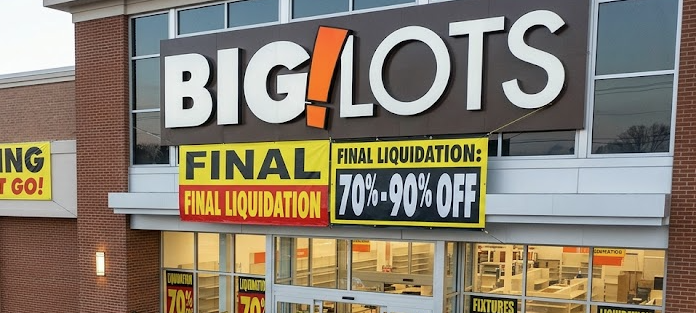
NORTH CAROLINA — In what is the most significant blow to North Carolina's discount home goods market this year, Big Lots is officially entering the final weeks of a massive statewide reduction. Following its high-profile bankruptcy and subsequent sale to a private equity firm, the embattled chain has identified dozens of North Carolina locations for permanent closure as it aggressively retreats from underperforming sites to stabilize its finances.
A Strategic Retreat
The decision to shrink its footprint marks a severe contraction for a brand that has long been a destination for bargain hunters across the Tar Heel State. For years, communities relied on Big Lots for affordable furniture, seasonal decor, and closeout groceries. However, the heavy financial toll of the last few years forced corporate leadership to rethink its brick-and-mortar strategy drastically, prioritizing only the most profitable retail hubs.
Liquidation Reaches Its Peak
June marks the strict deadline for a significant wave of these closures across the state. Inside the affected stores, total liquidation sales are at an all-time high, with steep discounts drawing in crowds of final shoppers. According to the company's wind-down timeline, doors are expected to lock for the last time by mid-to-late June 2026.
This targeted exit strategy clears out large-scale commercial footprints across several critical regions in North Carolina. Some of the most notably impacted communities losing their local storefronts include:
- The Charlotte Metro Area: Major commercial corridors are losing substantial retail anchors, specifically impacting Concord, Gastonia, and Mooresville.
- The Triad: High-traffic retail plazas in Winston-Salem and High Point are preparing for significant vacancies as their locations complete final inventory clear-outs.
- Central and Western North Carolina: Critical retail access points for surrounding rural and suburban communities are bracing for sudden losses, with closures finalized for Salisbury and Morganton.
A Shifting Retail Landscape
The loss of these dozens of locations represents a fundamental shift in North Carolina's discount retail sector. Shopping centers that once depended on steady foot traffic from the big-box discounter are now facing the challenge of filling expansive, empty storefronts in a highly competitive real estate market.
As North Carolinians make their final trips to clear out the remaining discounted shelves at these targeted locations, they are witnessing the end of an era for their local shopping centers. By late June, the familiar signs will come down at these sites, leaving a distinctly smaller footprint for the discount giant across the state.