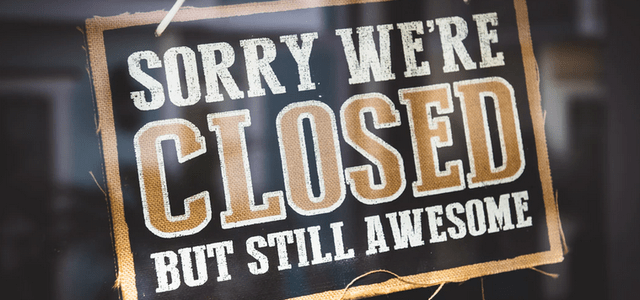
VIRGINIA STATE - The economic squeeze of the last few years has finally reached a boiling point for the American restaurant industry. Between rising commercial rents, shifting consumer habits, and a customer base exhausted by wallet-affecting inflation, 2026 has become the year of the "Great Contraction."
Virginia is not immune to these national trends. While the Old Dominion boasts a world-class culinary scene—from the bustling, high-density dining corridors of Northern Virginia (NoVa) down to the coastal seafood hubs of Hampton Roads—several national heavyweights are quietly packing up their dining rooms. As the retail apocalypse continues to reshape local shopping centers, here are four major chains shutting their doors and leaving Virginia communities with fewer dining options this June.
1. Denny's: A Diner Institution Scales Back
For decades, Denny's was the undisputed champion of the 24/7 diner experience. However, consistently declining sales and shifting post-pandemic habits have forced the brand's hand. Corporate leadership previously announced the closure of 150 underperforming locations across the U.S., with a significant wave of these closures scheduled to occur in the first half of 2026. Across Virginia, franchisees facing expensive lease renewals have opted to walk away, permanently closing several legacy highway and suburban locations this June, from Richmond to the Shenandoah Valley.
Why it's leaving:
- The Death of Late Night: A sharp drop in late-night and early-morning traffic has eliminated the unique revenue stream that traditionally kept these massive diners afloat along busy Virginia interstates.
- Costly Upgrades: Corporate mandates for modern kitchen upgrades and dining room remodels have pushed aging franchise operators to close up shop rather than take on massive new debt.
2. Wendy's: A Nationwide Purge Hits Local Markets
Wendy's might seem invincible, but the burger giant is actively shrinking its massive U.S. footprint. After reporting significant global same-store sales declines late last year, the company initiated a nationwide purge of its lowest-performing restaurants. Hundreds of units are turning off their fryers in the first half of 2026. Virginia franchisees operating older or under-trafficked locations are part of this chopping block as the company aggressively restructures its real estate portfolio heading into the summer.
Why it's leaving:
- Outdated Formats: Wendy's is heavily targeting older buildings that don't align with its new high-efficiency, digital-first operating model.
- Profitability Slumps: Locations that cannot sustain the high drive-thru volume needed to offset increased labor and food transportation costs in highly competitive Virginia suburbs are being swiftly cut.
3. Noodles & Company: A Fast-Casual Contraction
Despite initial popularity, the fast-casual pasta chain is actively shrinking its national footprint. After shuttering dozens of company-owned and franchised restaurants over the last year, corporate leadership announced a portfolio optimization strategy that will result in the closure of 30 to 35 additional underperforming restaurants throughout 2026. This June, multiple Virginia locations are being evaluated and shuttered as the company attempts to strengthen its overall financial position and pivot away from underperforming regional retail strips.
Why it's leaving:
- Corporate Optimization: The company is aggressively closing its lowest-performing stores to focus capital and resources entirely on its highest-volume, most profitable locations.
- Fast-Casual Fatigue: Squeezed by inflation, local consumers are cutting back on fast-casual dining, making it difficult for aging locations to sustain the foot traffic needed to cover rising operational costs.
4. Pizza Hut: The Red Roofs Retreat
Pizza Hut has been slowly transitioning away from its classic dine-in roots for years, but 2026 has brought a new wave of sudden closures to regional Virginia towns. Early this year, parent company Yum! Brands announced plans to close approximately 250 underperforming U.S. locations in the first half of 2026 as part of its "Hut Forward" turnaround plan. The state is actively seeing its presence shrink, with older, traditional footprint buildings that can no longer compete permanently being left behind this summer.
Why it's leaving:
- Shifting Demographics: Older locations that once served as massive dine-in hubs are struggling to maintain the steady staffing and sales volumes required to stay profitable in 2026.
- Delivery Economics: As the corporate brand aggressively pushes for modernized, streamlined delivery and carry-out models, massive, aging dine-in buildings are being swiftly cut from the portfolio.
The Bottom Line: The restaurant industry is highly cyclical; where one door closes, a new local concept usually takes its place. But for now, as corporate chains aggressively recalibrate for a tighter economy in 2026, Virginians will have to say a fond farewell to these familiar favorites.