
PENNSYLVANIA - If you have walked through your local mall or regional shopping center lately, you have probably noticed a few more empty storefronts than usual. Pennsylvania's commercial landscape is undergoing a massive shift this year as national brands aggressively trim their footprints to cut costs, absorb the weight of recent tariffs, and pivot toward digital operations.
From legacy department store anchors to popular children's clothing boutiques, a wave of liquidations and lease expirations is hitting communities from Philadelphia to the Allegheny Valley. Here is the breakdown of the major retail closures currently impacting the Keystone State.
The Big Shifts Hitting Pennsylvania Malls
Macy's Shuts a Major Western PA Anchor
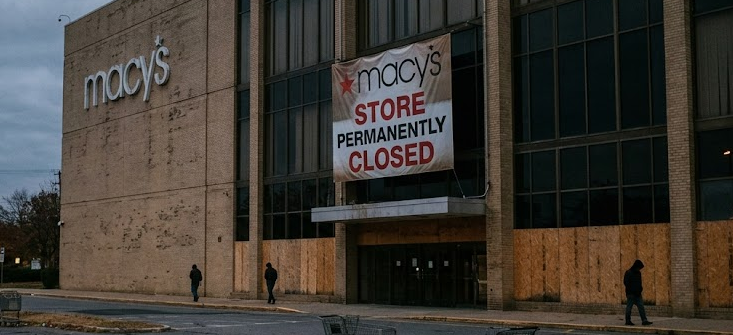
The most significant department store shakeup of the year landed in Tarentum. As part of its corporate "Bold New Chapter" strategy—which aims to eliminate 150 underperforming stores nationwide by the end of 2026—Macy's officially closed its massive anchor location at the Galleria at Pittsburgh Mills on April 26, 2026. The retailer is actively shifting its focus away from traditional sprawling malls and toward its small-format concepts and luxury brands, such as Bloomingdale's.
Carter's Expands Store Exit Strategy
Parents across the state are losing a staple shopping destination. Children's clothier Carter's (which also operates the OshKosh and B'gosh labels) recently expanded its national closure target to 150 stores as leases expire this year. The company cited elevated production costs and tariff pressures as the reasons for the downsizing. While an exact storefront hit list hasn't been finalized, Carter's has an extensive retail footprint in PA—including high-traffic locations in Philadelphia, Exton, Levittown, Springfield, Bala Cynwyd, and Pottstown—meaning local shoppers should brace for upcoming clearance sales.
Value City Furniture Exits Western PA
In a swift blow to regional power centers, Value City Furniture has executed a total exit from the Western Pennsylvania market. The brand has entered full liquidation mode, shutting down high-profile showrooms across the Pittsburgh metro area, including Robinson, West Mifflin, Monroeville, and Cranberry, as well as its Harrisburg location. The exodus frees up hundreds of thousands of square feet along major retail corridors, such as Route 22.
State-Wide Retail Status Breakdown
To help you keep track of what's happening locally, here is where the major affected brands stand right now:
- Macy's (Galleria at Pittsburgh Mills, Tarentum): Permanently closed as of April 2026. This move aligns with a broader corporate strategy to eliminate underperforming traditional mall anchors.
- Carter's / OshKosh (Philadelphia, Exton, Levittown, North Wales): Closures are expected across the state as current leases expire. The brand is reducing its footprint to absorb elevated product costs and tariff pressures.
- Value City Furniture (Robinson, West Mifflin, Monroeville, Cranberry, Harrisburg): Currently executing active liquidations. This represents a total market exit from Western Pennsylvania and a broad regional restructuring.
- Pizza Hut (Elizabethtown, New Cumberland, Canonsburg): These locations have silently shuttered over the last few months as the parent company scales back underperforming franchise locations.
- H&M (Logan Valley Mall, Altoona): Permanently closed, marking a larger fast-fashion retreat from B-tier regional malls.
Shopper Tip: If you are shopping at liquidation or clearance events at closing stores, remember that return policies change instantly. Most closing locations adopt an absolute "All Sales Final" policy from day one of the liquidation process, and corporate gift cards may no longer be accepted after a specified window.
What is Replacing the Retail Giants?
 The departure of these massive chains doesn't mean the local economy is grinding to a halt; rather, it is reshaping how communities use retail spaces. Commercial real estate developers across PA are increasingly dividing these vacant mega-spaces into smaller boutique storefronts, medical walk-in clinics, experiential entertainment zones, and discount grocery alternatives like Grocery Outlet.
For a broader perspective on how these corporate decisions fit into the national economic picture, this overview of 2026 retail collapse trends across the US explains the systemic economic forces shaping brick-and-mortar access in different states this year.