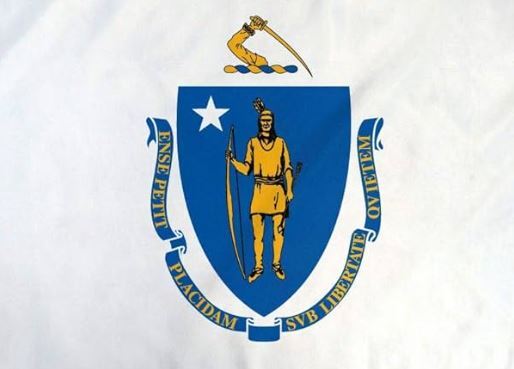
MASSACHUSETTS - Long before it was the "Cradle of Liberty" or the Commonwealth of Massachusetts, the land between the Berkshires and the Atlantic was home to a complex history of indigenous sovereignty and competing colonial charters. The transition from a collection of tribal territories to a unified state is a story of religious fervor, maritime ambition, and a merging of two very different colonies.
The Indigenous Heartland: The Dawnland
For over 10,000 years before European contact, the region was known to its inhabitants as part of the Dawnland. The land was governed by several Algonquian-speaking nations, most notably:
- The Massachusett: Inhabiting the area around modern-day Boston and the Blue Hills (from which the state derives its name).
- The Wampanoag: Controlling the southeastern coast and the islands.
- The Nipmuc: Living in the central plateau.
- The Pocomtuc and Mahican: Occupying the western river valleys.
The name "Massachusetts" itself is an indigenous term. It translates roughly to "at the great hill" or "place of the large hill," referring to Great Blue Hill south of Boston.
The Dual Colonies: Plymouth and the Bay
Unlike many other states that grew from a single central settlement, modern Massachusetts was originally two distinct, independent colonies that existed side-by-side for over 70 years.
1. Plymouth Colony (1620–1691)
Founded by the Pilgrims (English Separatists), Plymouth was originally known as the Plimoth Plantation. It was governed by the Mayflower Compact and remained a small, socially conservative colony focused on subsistence farming and trade.
2. Massachusetts Bay Colony (1628–1691)
A much larger and wealthier group of Puritans arrived less than a decade later. They were granted a charter for the "Governor and Company of the Massachusetts Bay in New England." Unlike the Pilgrims, the Bay Colony grew rapidly during the "Great Migration," establishing Boston and quickly becoming the economic powerhouse of the region.
The Dominion of New England
For a brief and chaotic period (1686–1689), Massachusetts effectively lost its name and its individual identity. King James II attempted to consolidate all of New England, New York, and the Jerseys into a single administrative unit called the Dominion of New England.
This "super-colony" was highly unpopular because it stripped the colonists of their elected assemblies. It collapsed following the Glorious Revolution in England, leading the colonies to revert to their original names—though not for long.
The Province of Massachusetts Bay
The most significant change occurred in 1691, when King William and Queen Mary issued a new charter that unified the region. This new entity was officially named the Province of Massachusetts Bay.
This new "Province" was much larger than the modern state; it included:
- The original Massachusetts Bay Colony.
- The Plymouth Colony (which was absorbed and ceased to exist independently).
- The District of Maine.
- The Islands of Martha’s Vineyard and Nantucket.
From Province to Commonwealth
As the American Revolution approached, the "Province" began to shed its colonial skin. In 1780, while the war was still being fought, the people adopted a new constitution. John Adams, the primary author, insisted on the title Commonwealth of Massachusetts.
Though "Commonwealth" carries no special legal status different from a "State," Adams chose the term to emphasize that the government was formed by the common consent of the people for the "common good."