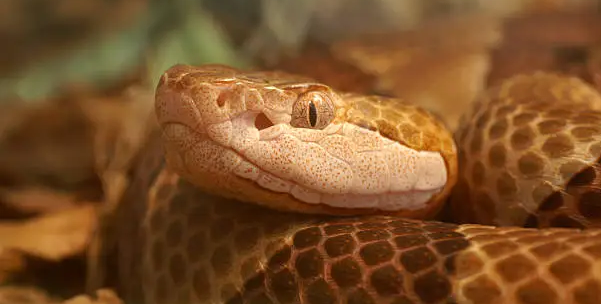
PENNSYLVANIA - As the spring sun begins to warm the Commonwealth, Pennsylvania's landscape is waking up—and so are its most misunderstood residents. Wildlife experts are officially signaling the end of hibernation season, noting that temperatures have reached the threshold for the state's native venomous snakes to emerge from their winter dens.
While Pennsylvania is home to 21 snake species, only three pose a threat to humans. Understanding who they are and how to share the landscape with them is the key to a safe season outdoors.
Meet the "Big Three"
Each of Pennsylvania's venomous snakes has a distinct personality and habitat preference:
- The Eastern Copperhead: The most common of the three, Copperheads are masters of camouflage. Their hourglass-shaped patterns allow them to disappear into fallen leaves, mulch, and woodpiles.
- The Timber Rattlesnake: These larger snakes prefer rocky outcrops and deep forests. While they are often feared, they are generally shy and will use their rattle as a polite (though startling) warning to stay back.
- The Eastern Massasauga: Extremely rare and listed as an endangered species in the state, this small rattlesnake is found only in specific wetland habitats in western Pennsylvania.
Yard Safety: Defensive Landscaping
For homeowners, the "return" of snakes often feels a bit too close for comfort. You don't need to turn your yard into a fortress, but a few simple adjustments can make your property less attractive to a basking Copperhead.
You can start by clearing heavy brush and vegetation from around your foundation; removing these thickets doesn't eliminate the primary hiding spots snakes use to stay cool. You should also focus on your woodpiles. Keeping firewood elevated at least 18 inches off the ground prevents snakes and their rodent prey from nesting underneath.
Managing your grass is equally important, as keeping a lawn mowed short makes snakes feel exposed and encourages them to move elsewhere. Finally, could you take a moment to seal any crevices or gaps around your porch and foundation, as snakes are naturally drawn to the dark, protected safety of a crawlspace?
Trail Protocol: Hiking with Awareness
If you're heading into the woods, remember that you are entering their living room. Vigilance is your best tool for prevention.
- Watch Your Step: Avoid reaching into rocky crevices or under logs where you can't see your hands or feet.
- Dress the Part: When trekking through dense terrain, wear thick leather boots and long pants.
- The "Freeze" Rule: If you hear a rattle or spot a snake, stop immediately. Back away slowly to give the snake an escape route. Most bites occur when a person tries to kill or handle the animal.
Expert Note: Snakes do not "hunt" humans. They strike only when they feel cornered or stepped on. If you see one, give it a five-foot buffer, secure your pets, and let it be.
Why They Matter
While the "venomous" label is scary, these snakes are vital to Pennsylvania's ecosystem. They act as natural pest control, keeping rodent populations—which carry ticks and Lyme disease—in check.
By staying alert and respecting their space, residents can enjoy the beautiful Pennsylvania spring while ensuring both humans and snakes remain unharmed.