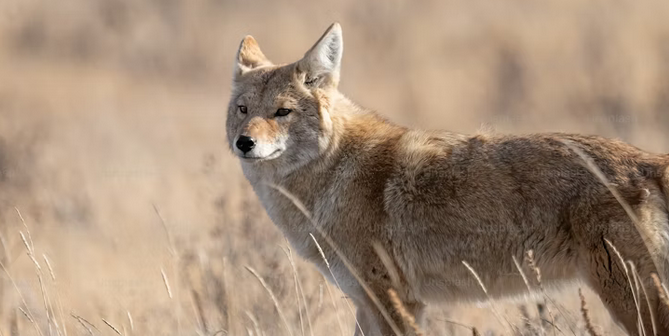
PENNSYLVANIA - Residents from the Philadelphia suburbs to the rolling hills of the Alleghenies are on high alert this winter following a surge in brazen predator sightings in residential areas. While Pennsylvania has always been home to elusive wildlife, the Pennsylvania Game Commission (PGC) and local police departments are reporting an increase in predators—specifically eastern coyotes and the resurgent fisher—showing a startling lack of fear around human dwellings.
From Chester County backyards to the neighborhoods of Pittsburgh, these sightings have triggered official reminders for residents to keep a close eye on small pets and children, especially during the twilight hours.
1. The Brazen Behavior
In recent weeks, homeowners have shared striking doorbell camera footage of predators pacing across porches and sniffing at back doors. In December 2025, residents in the Wissahickon Valley area of Philadelphia and parts of Westmoreland County reported coyotes and fishers wandering through well-lit driveways in broad daylight.
Unlike the shy, forest-dwelling animals of the past, these predators are becoming increasingly habituated to suburban life. Officials note that some coyotes have been spotted lounging in public parks during high-traffic hours, while fishers—fierce members of the weasel family once thought extinct in the state—are being caught on camera "stalking" bird feeders in search of squirrels.
2. Why the Sudden Incursion?
Wildlife biologists point to several factors driving this brazen behavior during the winter months:
- The Urbanized Coyote: Pennsylvania's coyote population has successfully adapted to human-dominated landscapes. Suburbs offer a "buffet" of easy meals, including outdoor pet food, fallen birdseed that attracts rodents, and an overabundance of white-tailed deer.
- The Return of the Fisher: After a successful reintroduction program, fishers are rapidly expanding their range. These aggressive hunters are now appearing in suburban "edge" habitats where they haven't been seen in over a century.
- Winter Calorie Needs: As temperatures drop, predators must consume more calories to survive. This drives them to take higher risks, leading them closer to homes where food sources are more concentrated.
3. The "Sitting Duck" Risk for Pets
The Pennsylvania Game Commission warns that small dogs and outdoor cats are essentially "sitting ducks" for these opportunistic hunters. Fishers, despite their small size, are incredibly strong and capable of taking down prey larger than themselves, while coyotes are notorious for snatching pets directly from unfenced yards.
Officials stress that a standard chain-link fence is often not enough to stop a determined coyote, which can jump or climb with surprising agility.
4. How to Protect Your Property
To discourage these brazen visitors from making your backyard their hunting ground, experts recommend:
- Secure the Perimeters: Clear away brush piles and tall grass near your home where predators might hide or den.
- Eliminate "Attractants": Never leave pet food outside and secure your trash cans with locking lids. If you have bird feeders, clean up spilled seed daily to avoid attracting the rodents that predators follow.
- The Leash Rule: Never let small pets outside alone, even in a fenced yard, after dark. Use a short, non-retractable leash when walking dogs in wooded or suburban park areas.
- Motion Deterrents: Use motion-activated sprinklers or high-intensity lights to startle and "haze" animals that wander too close to the house.
What to Do If You See One
 If you encounter a coyote or fisher in your yard, do not run. Instead, practice "hazing": make yourself look large, wave your arms, and shout in a loud, firm voice. You can also use a "shaker can" (a soda can filled with pennies) or a loud whistle to scare them away. The goal is to reinforce their natural fear of humans and let them know they are not welcome in your space.