OHIO - As April 2026 brings warmer temperatures and spring blooms to the Buckeye State, it also signals the return of some of Ohio's most troublesome residents. From invasive "hitchhikers" threatening our economy to tiny parasites hiding in your backyard, staying informed is your best defense.
The Ohio Department of Agriculture (ODA) has recently escalated its response to certain threats, making it more important than ever for residents to know what's crawling, hopping, and biting in their neck of the woods.
1. The Spotted Lanternfly: A Statewide Emergency
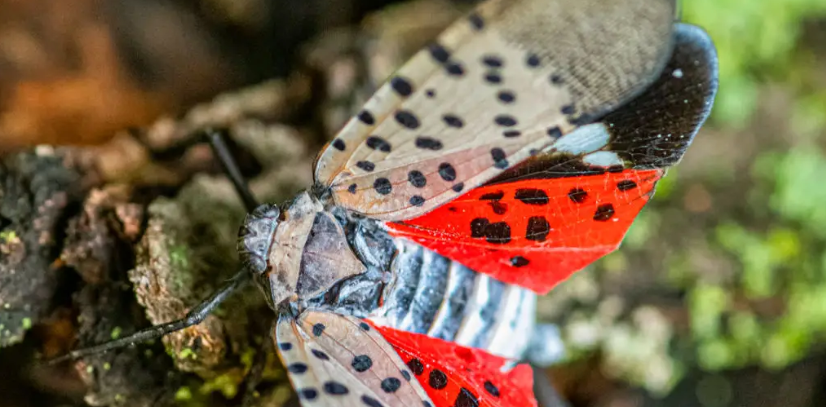
As of early 2026, the ODA has officially issued a statewide quarantine for the Spotted Lanternfly (SLF). While these insects might look striking with their red underwings and black-speckled bodies, they are an absolute menace to Ohio's multi-billion-dollar wine and grape industry.
- The Threat: They drain sap from plants, particularly grapevines, black walnuts, and hops, leaving behind a sticky "honeydew" that promotes black sooty mold.
- What to Look For: In April, you won't see the colorful adults yet. Instead, look for egg masses—grey, mud-like smears on tree trunks, vehicles, and outdoor furniture.
- Action Plan: The state is no longer asking for reports of sightings. If you see them, squish them or spray them with white vinegar. Before traveling out of state, check your vehicle to ensure you aren't giving this "hitchhiker" a free ride.
2. The Great Tick Surge of 2026
Experts are predicting that 2026 will be a record-breaking year for tick activity in Ohio. Following a string of mild winters, tick populations—including the Black-legged (Deer) Tick and the Lone Star Tick—have survived in higher numbers than ever.
- The Danger: Ticks become active as soon as temperatures hit 40°F. They are primary vectors for Lyme Disease and the rarer but serious Alpha-gal syndrome (a red meat allergy).
- Where They Hide: Wooded property edges, tall grass, and leaf litter.
- Protection: Wear light-colored clothing to spot them easily and use EPA-registered repellents. Always perform a "tick check" on children and pets after outdoor play.
3. Venomous Neighbors: Spiders and Snakes
As you begin your spring cleaning and landscaping, be mindful of where you stick your hands. Ohio's venomous species are emerging from brumation (hibernation) and may be defensive.
- The Brown Recluse. This spider is light brown with a distinct "violin" shape on its back. You are most likely to encounter them while moving cardboard boxes, cleaning out dark basements, or shifting old woodpiles.
- The Black Widow is identified by its shiny black body and bright red hourglass on the abdomen. These spiders prefer quiet, undisturbed areas. Be cautious when entering garages, sheds, or moving hollow logs.
- The Copperhead, Ohio's most common venomous snake, features "hourglass" or "Hershey Kiss" patterns along its side. They blend in perfectly with rocky ledges, tall grass, and mulch piles, making them easy to step on by accident.
4. Early Season Mosquitoes
With the humid start to this spring, mosquito breeding cycles are ramping up earlier than usual. While West Nile Virus typically peaks later in the summer, early emergence means more breeding opportunities. Please just tip over any standing water in birdbaths, gutters, or old tires as soon as you can.
How to Protect Your Home and Garden
To keep these pests at bay, local wildlife experts recommend three simple steps:
- Mow and Clear: Keep grass short and remove leaf litter or brush piles where ticks and snakes congregate.
- Seal the Gaps: Ensure window screens are intact, and door sweeps are functional to prevent spiders and mosquitoes from entering your home.
- Inspect Your Host Plants: The invasive Tree of Heaven is the favorite host of the Spotted Lanternfly. If you have these on your property, consider removing them to reduce the likelihood of an infestation.
Stay vigilant, Ohio. A little bit of prevention this April will go a long way toward ensuring a safe, pest-free summer.