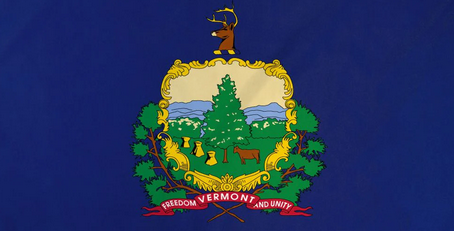
VERMONT - Whether you are crossing from New Hampshire, driving up from Massachusetts, or taking a road trip from New York, Vermont's quirky town names will spark your curiosity and make you smile. While the Green Mountain State is known for its maple syrup and fall foliage, its town names reveal a charming side of local history that invites exploration and amusement. New Hampshire, driving up from Massachusetts, or taking a road trip over from New York, you will quickly discover that Vermont is home to some incredibly bizarre and surprisingly amusing town names. While the Green Mountain State is famous for its world-class maple syrup, spectacular autumn foliage, and deep agricultural history, whoever was in charge of naming its local municipalities clearly left behind a legacy of unintentional humor.
From hilarious double entendres to beautifully absurd geographical descriptions, here is a look at the most unusual, head-scratching, and raunchy-sounding town names you will find scattered across Vermont.
1. Middlesex (Washington County)
You cannot discuss slightly raunchy New England geography without starting with Middlesex. Located in Washington County just outside the state capital of Montpelier, this town features a name that inevitably draws a smirk from visitors. When spoken out loud, it sounds like a highly suggestive, albeit physically confusing, romantic act. However, the origin is completely respectable and entirely unoriginal. Chartered in 1763, the town was named by English colonists in direct homage to the historic English county of Middlesex, reflecting common colonial naming practices that often honored British places or figures.
2. Shaftsbury (Bennington County)
Heading down into the southwestern corner of the state in Bennington County, you will find a quiet, scenic town with a name that sounds uncomfortably close to a piece of crude anatomical slang. Despite the guaranteed double-takes and laughs from out-of-state drivers passing the town limits, the origin has absolutely nothing to do with juvenile humor. Chartered in 1761, the town was proudly named after Anthony Ashley Cooper, the 4th Earl of Shaftesbury, a prominent English politician. Today, it remains a fiercely historic and beautiful community, completely oblivious to modern slang.
3. Johnson (Lamoille County)
Located in the northern stretches of Lamoille County, Johnson is named after a classic, universally understood piece of male anatomical slang. While the name inevitably draws a giggle from those with a middle-school sense of humor, its actual origin is strictly related to early American land grants. The town was established in the late 18th century and proudly named in honor of William Samuel Johnson, an American Founding Father and a prominent land grantee who helped secure the area for settlement.
4. Satan's Kingdom (Addison County)
While not exactly "raunchy," no list of bizarre Vermont municipalities is complete without Satan's Kingdom. Located within the town of Leicester in Addison County, this unincorporated community has a name so bizarre it sounds like a heavy-metal festival or the setting of a horror movie. According to local legend, an early settler moved to this tract of land expecting fertile, lush farmland. Instead, he found land so dense, rocky, and completely unworkable that he bitterly declared it to be "Satan's Kingdom." The story of this colorful name reflects early settlers' frustrations and has become a local legend that adds to the town's quirky charm.
5. Bread Loaf (Addison County)
Rounding out the list is a small village community that sounds more like a trip to the local bakery than a municipality. Located within the town of Ripton in Addison County, Bread Loaf is a beautifully bizarre geographic name that inevitably makes tourists do a double-take. The origin is fiercely literal: the community sits directly at the base of Bread Loaf Mountain, a prominent peak in the Green Mountains that historically looked exactly like a freshly baked, domed loaf of bread. This distinctive shape inspired the name, which has become a symbol of Vermont's unique landscape and local storytelling, further immortalized by the prestigious Bread Loaf Writers' Conference held there every summer.