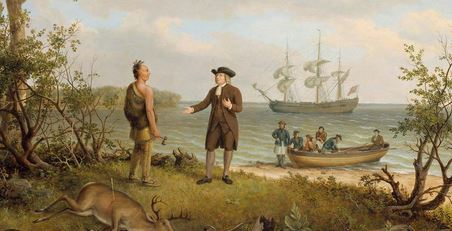
PENNSYLVANIA—The land we now know as Pennsylvania was once home to various Native American tribes, each with its unique language and cultural traditions. Recognizing these diverse cultures helps readers appreciate the region's rich indigenous heritage and fosters respect for their historical significance. Before European colonization, this region had no single overarching name. Instead, it was a patchwork of territories, each bearing names that reflected the languages and perspectives of its Indigenous inhabitants.
Pennsylvania: A Land of Many Names, Before and After William Penn
The Lenape homeland, known as "Lenapehoking," encompassed much of present-day Pennsylvania, New Jersey, and Delaware. This vast territory was divided into smaller regions, each with a Lenape-language name reflecting its cultural importance, fostering respect for indigenous traditions.
The Susquehanna River, a significant waterway in Pennsylvania, is named after the Susquehannock people, an Iroquoian-speaking tribe that once inhabited the region. Their name translates to "people of the muddy river," reflecting its distinctive appearance.
Beyond these prominent examples, countless other Native American place names existed throughout Pennsylvania, each holding cultural and historical significance for the indigenous communities that once called this land home.
The Arrival of William Penn
With William Penn's arrival in 1681, the region underwent a significant transformation. Penn, a Quaker leader, received a land grant from King Charles II and named it "Pennsylvania," meaning "Penn's Woods," in honor of his father, Admiral Sir William Penn. This marked the beginning of European colonization and the gradual displacement of Native American communities.
While the name "Pennsylvania" has become synonymous with the State identity, it's essential to remember the rich tapestry of indigenous names that preceded it. These names serve as a reminder of the land's original inhabitants and their deep connection to the region, enriching our understanding of Pennsylvania's full history.
Today, efforts to recognize and revitalize Native American languages and place names in Pennsylvania aim to inspire pride and a sense of connection, including educational programs and official signage that honor these original names.
By acknowledging and celebrating Pennsylvania's indigenous names, we honor the legacy of the Native American communities that shaped the land for centuries before European arrival.
Share This Article on Social Media