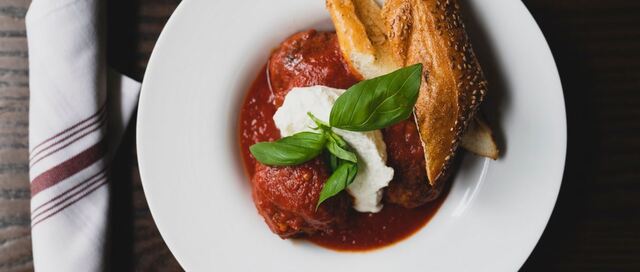
New York, NY — A defining fixture of New York City's 2010s dining scene has officially served its last bowl. The Meatball Shop, once one of the city's trendiest fast-casual concepts, has permanently closed its final remaining location in Hell's Kitchen, marking a quiet end to a 14-year run. This closure signifies a shift in NYC's vibrant culinary landscape, impacting local dining options and community memories.
The shuttering of the 9th Avenue outpost officially concludes the brand's brick-and-mortar operations, underscoring the harsh realities and shifting dynamics currently squeezing the restaurant industry.
The Rise of a Millennial Dining Staple
Founded in 2010 by childhood friends Daniel Holzman and Michael Chernow, The Meatball Shop launched with a simple but highly executed premise: customizable comfort food. Diners were handed dry-erase menus to mix and match their choice of meatballs (classic beef, spicy pork, chicken, or veggie) with various sauces, bases, and sides.
The concept was an instant hit. The original Lower East Side location became famous for its hours-long waits, drawing crowds of 20-somethings seeking affordable late-night eats and craft cocktails. Riding a wave of massive popularity, the brand rapidly expanded, reaching a peak of 7 locations across Manhattan, Brooklyn, and Washington, D.C. It became a veritable empire, complete with a line of merchandise and a wildly popular cookbook.
Why the "Once-Hot" Chain Cooled Down
Despite its cultural footprint and loyal following, The Meatball Shop faced tough economic realities, which should evoke understanding and empathy from NYC dining followers and industry professionals.
Industry experts and former employees point to several key factors that contributed to the brand's eventual contraction and closure:
- Crushing Real Estate Costs: Skyrocketing rent across New York City made it increasingly difficult to sustain large-footprint restaurants, forcing the closure of prime locations in neighborhoods like Chelsea, the West Village, and Williamsburg.
- Shifting consumer habits, like increased remote work and decreased foot traffic, reflect broader changes in NYC's dining scene, encouraging readers to reflect on the city's evolving landscape.
- Inflation and Margins: The rising costs of labor and raw ingredients decimated the profit margins required to maintain a fast-casual, affordable price point.
- Over-Expansion: As is common with trendy, single-item concepts, rapid expansion stretched resources and diluted the unique, neighborhood-centric charm of the original outposts.
A recipe that lives on through the founders' 2011 cookbook and industry buzz aims to preserve the brand's positive legacy, fostering a sense of respect and nostalgia among food enthusiasts and locals.
In a statement posted to the company's social media, leadership kept their farewell brief but heartfelt: "After many great years, The Meatball Shop has closed its doors. We're deeply grateful to our guests and team for the memories we shared."
While the physical restaurants have gone dark, the brand's legacy isn't entirely erased. The founders' 2011 cookbook remains a popular staple for home chefs, and there are rumblings in the industry that the concept could eventually be revived or pivoted into a retail format. Industry insiders speculate that the closure may influence other fast-casual brands navigating similar economic challenges.
For now, however, the closure of the Hell's Kitchen location closes the book on a defining era of New York City dining. For the countless locals who spent their twenties squeezing into crowded booths for spicy pork meatballs and ice cream sandwiches, the loss of The Meatball Shop is a bittersweet reminder of how quickly the city's culinary landscape evolves.