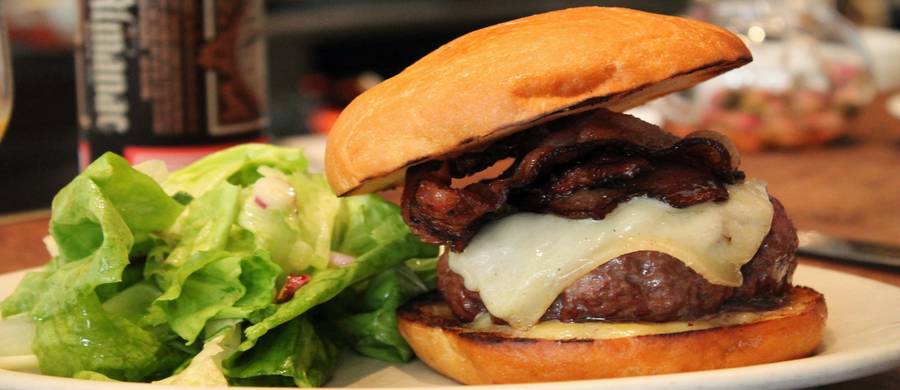
For most of of us we think we know how to grill the best burgers and then offer guests dried pices of meat on buns. So here are some tips to serve up the juiciest, tastiest burgers with these couldn't-be-easier burger grilling tips.
Mastering the Grill: My Proven Guide to the Perfect Homemade Burger
As someone who has spent years documenting the culinary landscape of the Philadelphia region and beyond, I’ve learned that the secret to a great burger isn't an expensive kitchen gadget or a complex marinade. It’s all about respecting the fundamentals. A truly elite burger is the result of proper technique and high-quality sourcing.
If you want to elevate your backyard grilling game and leave your guests asking for your secret, here is the professional approach to building the perfect burger.
1. Be Aggressive with Seasoning
The most common mistake I see home cooks make is under-seasoning. When you think you have added enough salt and pepper, keep going. Salt is essential for drawing out the natural, savory flavors of the beef, and coarse-ground black pepper adds that necessary bite to cut through the richness of the fat. Aim to create a visible, even crust on both sides of the patty. It is remarkably difficult to over-season a burger, and the flavor profile you get from a properly crusted patty is night and day compared to a bland one.
2. Plan for the "Shrinkage Factor"
It can be tempting to form patties that look "perfect" while raw, but keep in mind that as the fat renders and the meat proteins contract, your burger will inevitably shrink. For a standard, satisfying burger, aim for a patty that is between a quarter and a third of a pound. While these may seem massive when they are sitting on your prep tray, they will shrink down to the ideal size to complement your bun perfectly once they come off the grill.
3. The "Flip Once" Golden Rule
Grilling is a game of heat management. Constant flipping is the enemy of a juicy burger; it causes uneven cooking and forces precious, flavorful juices out of the meat.
-
Preheat Properly: Ensure your grill is fully preheated—this can take up to 30 minutes—to ensure a proper sear.
-
The Technique: Place your patties on the grates and flip them only once, halfway through the cooking time. Depending on your grill's heat, this is typically about 5 minutes per side.
-
Hands Off: Whatever you do, never press down on the patties with your spatula. That satisfying "sizzle" you hear is actually the sound of flavor and moisture escaping the meat. If you want a juicy burger, treat it gently.
4. Choose Your Foundation Wisely
Think of the bun as the frame for your painting. If you skimp on the bread, you are undermining the quality of the beef. Avoid those generic, dry, fluffy eight-packs of supermarket buns. Instead, invest in high-quality bread that can stand up to the juice of the burger without falling apart. A sturdy Kaiser roll is a classic choice, but I personally prefer a Ciabatta roll for its superior texture and ability to hold toppings and sauces without getting soggy.
5. Keep it Balanced and Fresh
While the burger is the star, the "healthy" component comes from balancing the richness of the meat with fresh, high-quality produce. Use vine-ripened tomatoes, crisp, chilled romaine or butter lettuce, and red onions that have been thinly sliced. By using fresh, raw vegetables, you add a clean crunch that balances the savory, fatty profile of the grilled meat. It’s the ultimate way to enjoy a classic American staple without it feeling overly heavy.
A final tip from my own kitchen: Always start with high-quality ground beef—ideally an 80/20 lean-to-fat ratio. That fat is where the flavor lives, and if you start with quality meat and follow these simple techniques, you’ll never settle for a "just okay" burger again.
Share This Article on Social Media