OHIO - As Ohioans flood the trails of Hocking Hills and the boardwalks of Sheldon Marsh this spring, the State wildlife is shaking off the winter chill. Ohio is home to nearly 30 species of snakes, but for hikers, birdwatchers, and gardeners, the news is mostly reassuring: only three are venomous.
 OHIO - As Ohioans flood the trails of Hocking Hills and the boardwalks of Sheldon Marsh this spring, the State wildlife is shaking off the winter chill. Ohio is home to nearly 30 species of snakes, but for hikers, birdwatchers, and gardeners, the news is mostly reassuring: only three are venomous.
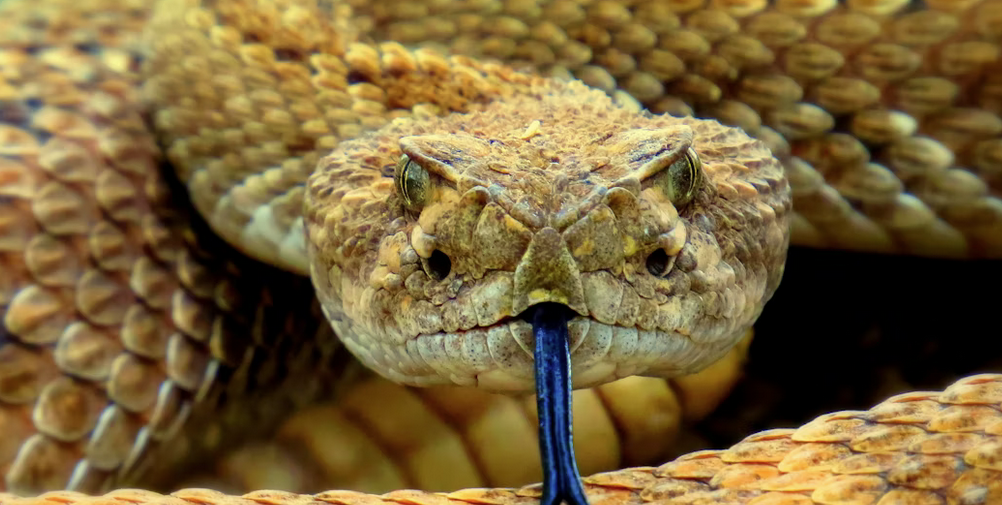 RattlesnakeHowever, a recent "rare" sighting of an Eastern Massasauga in Huron County serves as a reminder that these elusive creatures are very much present. While fatal snakebites in Ohio are virtually unheard of, encounters are possible—especially as human development encroaches on protected habitats.
Here is the definitive guide to the three venomous snakes you need to respect in the Buckeye State, and the one myth you can finally stop worrying about.
1. The Northern Copperhead (Agkistrodon contortrix)
- Danger Level: Moderate (The most common venomous snake in Ohio)
- Where they hide: Southern and Eastern Ohio. They thrive in the unglaciated hill country (like the Hocking Hills region), rocky outcrops, and wooded edges.
If you encounter a venomous snake in Ohio, it will almost certainly be a Copperhead. Unlike rattlesnakes, they have no warning rattle. Instead, they rely on their incredible camouflage to blend into dead oak leaves on the forest floor. They are generally calm, but they will strike if stepped on or harassed.
-
ID Tip: Look for the "Hershey’s Kiss" pattern—dark brown hourglass or saddlebag shapes on a tan or coppery body. From the side, the dark bands look like the famous chocolate candy.
2. The Timber Rattlesnake (Crotalus horridus)
- Danger Level: Very High (but rare and reclusive)
- Where they hide: Southern Ohio Forests. Restricted to the deep woods of the Shawnee, Tar Hollow, and Zaleski State Forests.
The Timber Rattlesnake is the largest and most dangerous snake in the state, but it is also an Endangered Species in Ohio. They are incredibly shy and prefer deep, rugged terrain far from human settlements.
- Two "Phases": In Ohio, you may see the "Yellow Phase" (yellow/brown body with dark chevrons) or the "Black Phase" (dark, almost black body).
- ID Tip: A heavy body, a broad triangular head, and a distinct rattle at the end of a velvet-black tail.
3. The Eastern Massasauga (Sistrurus catenatus)
- Danger Level: High (but encounters are statistically near-zero)
- Where they hide: Glaciated Ohio (North and West). Found in wet prairies, sedge meadows, and marshes.
Known locally as the "Swamp Rattler," this small rattlesnake is both State and Federally Endangered. They are extremely rare and localized, mostly found in protected nature preserves. Because they are small (often under 2 feet) and their rattle is tiny, they can be hard to spot in the tall grass.
-
ID Tip: A row of dark, saddle-shaped blotches down the back and a tiny rattle that sounds like a buzzing insect.
The Myth: The Water Moccasin
Let’s settle the debate: There are no Cottonmouths (Water Moccasins) in Ohio.
Despite what you might hear at the boat ramp on the Ohio River, the range of the Cottonmouth stops hundreds of miles to the south.
-
What you are seeing: It is almost certainly a Northern Watersnake or a Queen Snake. These harmless snakes are common in Ohio's creeks and lakes. They can be aggressive and flatten their heads when threatened, but they possess no venom.
Safety & Legal Warning
In Ohio, it is illegal to kill an endangered snake like the Timber Rattlesnake or Massasauga. Even for non-endangered species, indiscriminate killing harms the ecosystem.
What to do if bitten:
- Call 911 immediately.
- Stay Calm. Panic increases heart rate and circulates venom faster.
- Remove Constriction. Take off rings, watches, and tight boots immediately.
- Do NOT use a tourniquet, cut the wound, or apply ice.
Most bites occur when people try to handle or kill a snake. The safest choice is always to walk away and let the animal pass.
Video: Ohio's Venomous Snakes - Identification Guide This video from the Ohio Division of Wildlife helps you distinguish the common Northern Watersnake from the venomous Copperhead.