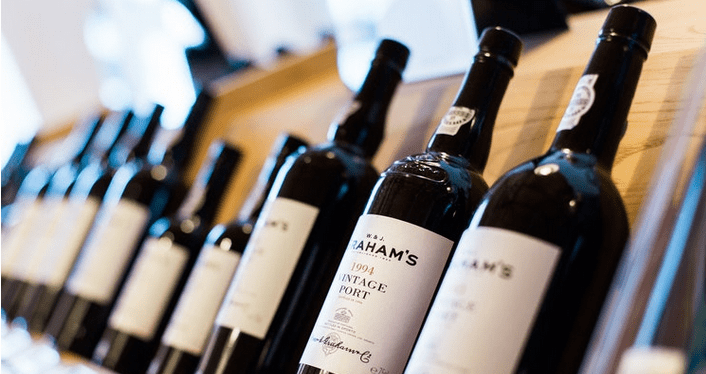
Best Wine Storage Practices - So you have learned a lot about the health benefits of wine and want to try it out. Great! So, you are in the process of purchasing the best wine that’s available around. You have made an expensive investment and are happy to bring home the treasure.
The Art of Wine Storage: How to Protect Your Collection at Home
Bringing home a bottle of exceptional wine is only the first step. Whether you have invested in a rare vintage or simply picked up a reliable bottle for the weekend, how you store it determines whether that wine will taste as the winemaker intended or lose its character entirely.
Wine is a living product that evolves over time. To ensure your investment remains in peak condition, you need to create a stable environment that shields it from the enemies of aging. Here is how to master the art of wine storage at home.
1. Maintain a Pristine Environment
Hygiene is paramount. Your storage space should be impeccably clean, dry, and well-ventilated. Storing wine in a damp, musty basement or a dusty garage can do more than just ruin the label—poor air circulation can introduce unwanted odors that may permeate the cork over time. Keeping the area clean ensures that your collection remains in pristine condition, preserving both the wine’s integrity and its long-term resale value.
2. Guard Against Light Exposure
Light—especially direct sunlight or harsh UV rays—is one of the fastest ways to degrade a wine’s quality. UV light can break down the organic compounds in the wine, leading to premature aging and "light-struck" flavors that turn a vibrant vintage dull and off-putting. Always store your bottles in a dark area, such as a dedicated cellar, a deep closet, or an opaque wine cabinet.
3. Keep Bottles Horizontal
The orientation of your bottle is essential for wines sealed with a traditional cork. Storing bottles on their sides keeps the wine in constant contact with the cork, preventing it from drying out. A dried-out cork will shrink, allowing oxygen to seep into the bottle and trigger rapid, undesirable oxidation. By keeping the cork moist, you ensure a tight seal for years to come.
4. Minimize Vibration
Wine requires peace and quiet to age gracefully. Constant vibration—whether from a nearby washing machine, a loud speaker system, or high-traffic floorboards—can disturb the sediment in older wines and interfere with the chemical aging process. For the best results, seek out a location in your home that is shielded from the rumble of daily life.
5. Master the Humidity
A humidity level of approximately 70 percent is the "sweet spot" for wine storage. If the environment is too dry (below 50 percent), the cork will dry out and shrink, leading to oxidation. Conversely, if the humidity is too high, you risk growing mold on the labels, which can significantly detract from the bottle's aesthetic and value. A stable, moderate level of moisture keeps the seal healthy and the labels legible.
6. Control the Temperature
Temperature stability is the most critical factor in wine preservation. Ideally, you want to maintain a consistent temperature between 45°F and 55°F.
-
Too Warm: If the temperature rises significantly above 60°F, the wine will "cook," causing the flavors to become flat and cooked.
-
Too Cold: While extreme cold won’t ruin a wine, it will halt the aging process entirely, which is counterproductive if you are trying to allow a vintage to develop its complexity.
-
Fluctuations: More important than the specific temperature is consistency. Avoid places like kitchen counters or spots near heating vents, where temperatures shift daily.
Storing wine at home is truly an art form that balances science and environment. By controlling these variables, you aren't just storing a beverage—you are curating a collection, ensuring that whenever you decide to pull the cork, you are rewarded with the exact flavor profile the winemaker intended.
Share Wine Storage on Social Media