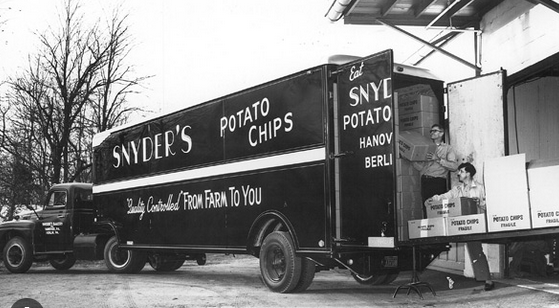
PENNSYLVANIA - For nearly 80 years, the small borough of Berlin in Somerset County has punched far above its weight class in the global snack arena. But as 2026 begins, the "Sweetest Town in Pennsylvania" is facing a salty reality. Following the final stages of a phased permanent closure that began last year, the Snyder of Berlin manufacturing plant is officially seeing its final production runs this quarter.
The shuttering of the Stadium Street facility marks more than just the loss of local manufacturing jobs; it signals a seismic shift in the cultural landscape of the "Snack Food Capital of the World."
1. A Tale of Two Snyders: The Great PA Divide
To an outsider, a pretzel is a pretzel and a chip is a chip. But to a Pennsylvanian, the distinction between Snyder of Berlin and Snyder's of Hanover is a matter of regional heritage.
- The 1950 Split: The two companies were once one, founded by the Snyder family in the 1920s. They famously split in 1950, with the Berlin plant serving Western PA and the Pittsburgh market, while the Hanover plant grew into a global pretzel powerhouse.
- The Brand Survival: While the Berlin plant is closing, the brand name itself will continue to exist under its corporate parent. However, for purists, a "Berlin" chip produced in Hanover or elsewhere feels like a departure from the Somerset County soil that defined its flavor for generations.
2. The Centralization of the "Snack Belt."
The closure of the Berlin facility reflects a broader trend in Pennsylvania's snack industry: centralization. As we move through 2026, the industry is pulling back toward the massive "Snack Hubs" in York County.
- The Hanover Hub: Major snack conglomerates have been modernizing their Hanover campuses, transforming the area into a massive global production center.
- Efficiency vs. Heritage: While consolidating production makes financial sense for corporate entities, it erodes the "hyper-local" identity that allowed Pennsylvania to claim the title of Snack Capital. The "Snack Belt" is getting shorter, and rural communities like Berlin are seeing their industrial roots pull away.
3. The Rise of Nostalgia: "Yinzer" Staples and Philly Flavors
Despite the loss of local manufacturing, the emotional connection Pennsylvanians have to their snacks has never been stronger. In 2026, we are seeing a resurgence of regional pride as a response to corporate consolidation.
- Flavored by Philly: In the east, local brands are leaning heavily into identity with "city-specific" campaigns. For the 2026 Semiquincentennial (America's 250th Birthday), several companies are releasing fan-voted flavors like "Long Hots" and "Sharp Provolone" to represent Philadelphia's culinary grit.
- The Western PA Response: In Pittsburgh, the Snyder of Berlin transition has triggered a "buy local" movement for other western staples, as fans scramble to support what remains of the independent "Yinzer" snack identity.
4. The "Snack Capital" Status in 2026
Even with the shifts, Berlin remains the undisputed heavyweight champion of the snack world.
- The Stats: PA still ranks #1 in the U.S. for employees in the snack food and confectionery industry.
- The New Guard: While legacy plants face challenges, new "artisanal" snack makers are popping up in industrial parks from Allentown to Erie, focusing on "small-batch" and "heritage" grains to capture the high-end nostalgia market.
Conclusion: Can a Brand Survive Without Its Soil?
 The 2026 transition of the Snyder of Berlin identity is a heartbreak for Somerset County, but it serves as a wake-up call for the rest of the state. Pennsylvania's snack identity was built on the idea that these foods were "ours"—made by our neighbors, using our potatoes, in our towns. As production moves toward modernized mega-hubs, the challenge for these iconic brands will be maintaining that "hometown" feel in an increasingly centralized world. For now, Pennsylvanians will continue to clutch their bags of chips with pride, even as the map of where they are made continues to change.